
How a municipality can start a public space project
Many municipalities have a site with potential but no idea or documentation yet. That is enough to start. We describe the path from a few photos to concept, scale, budget and delivery, and the stages at which we can get involved.
You do not need a finished design
At the start, a few photos, the location, a map or plan and a short description of what the site should achieve and who uses it today are enough. If the municipality already has a concept, sketches or tender documents, so much the better, but they are not a condition for the first conversation.
The first conversation carries no obligation. Its purpose is to establish what the site is missing and which direction makes sense before the municipality spends money on documentation.
It also helps to say straight away who manages the land, who uses it and what plans already exist for it. This information helps avoid proposals that cannot be delivered later.
Start from the site's needs, not a catalogue
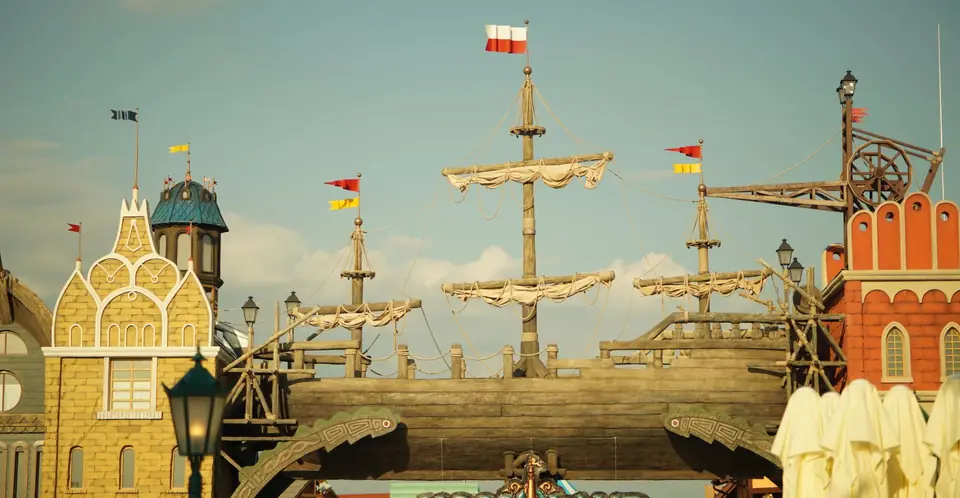
The starting point is a problem, not a product. An empty or neglected site needs a function and a story that give people a reason to come. A municipality looking for a recognisable attraction needs a landmark tied to the history of the place, not a random figure. If the goal is for families to stay longer, we combine play, rest, shade and seating into a single zone.
It is worth naming the goals from the outset: families, tourism, education, local identity, revitalising the site. These are the project's goals and potential benefits, not guaranteed metrics, but they help make the right decisions about scale and form.
We design public pieces for people, not just for photos: for children and families, older people, tourists and cyclists, school groups and residents. Accessibility for people with disabilities, shade and rest, light and visibility, safety and easy maintenance all count.
Scale: addition, signature or destination
There is no need to start with a large investment. An addition is a single strong element in an existing place: a sculptural bench, a photo spot, an entrance sign. A signature is a group of elements that gives a place its character, for example a family zone or a landmark with seating and lighting. A destination is a complete development built around a single idea.
We give budgets after a site visit and once the scale has been chosen. Each level can be delivered in phases, which makes it easier to plan spending over the coming years.
Choosing the scale is a strategic decision, not just a financial one. A single addition lets you test how residents respond to a new form. A signature builds recognition for part of a town. A destination takes longer to plan but gives the whole site a coherent story.
From photo to installation: seven steps
The process runs like this: the municipality shows us the site and tells us what it should achieve. We look for a story that fits only that place and present two or three visual options. Together we then agree the scale and budget, after which we design and fabricate: structure, sculpture, materials, quality control. The final step is installation, handover and maintenance recommendations.
An option can also be viewed in 3D or in a VR headset, at 1:1 scale and in the context of the site. This makes it easier for the council to decide and make changes before the first element is built.
Tenders and roles: when we can join
We join at any stage: at the idea stage, when developing an existing concept, when preparing a tender that needs a specialist artistic scope described, during the tender when we review the sculptural scope, and after award when the general contractor is looking for a subcontractor. We can work directly with the municipality, with landscape architects, or as a specialist contractor to the general contractor.
We confirm technical parameters and required approvals for each location. Where regulations require formal structural calculations, they are carried out or approved by a licensed structural engineer.
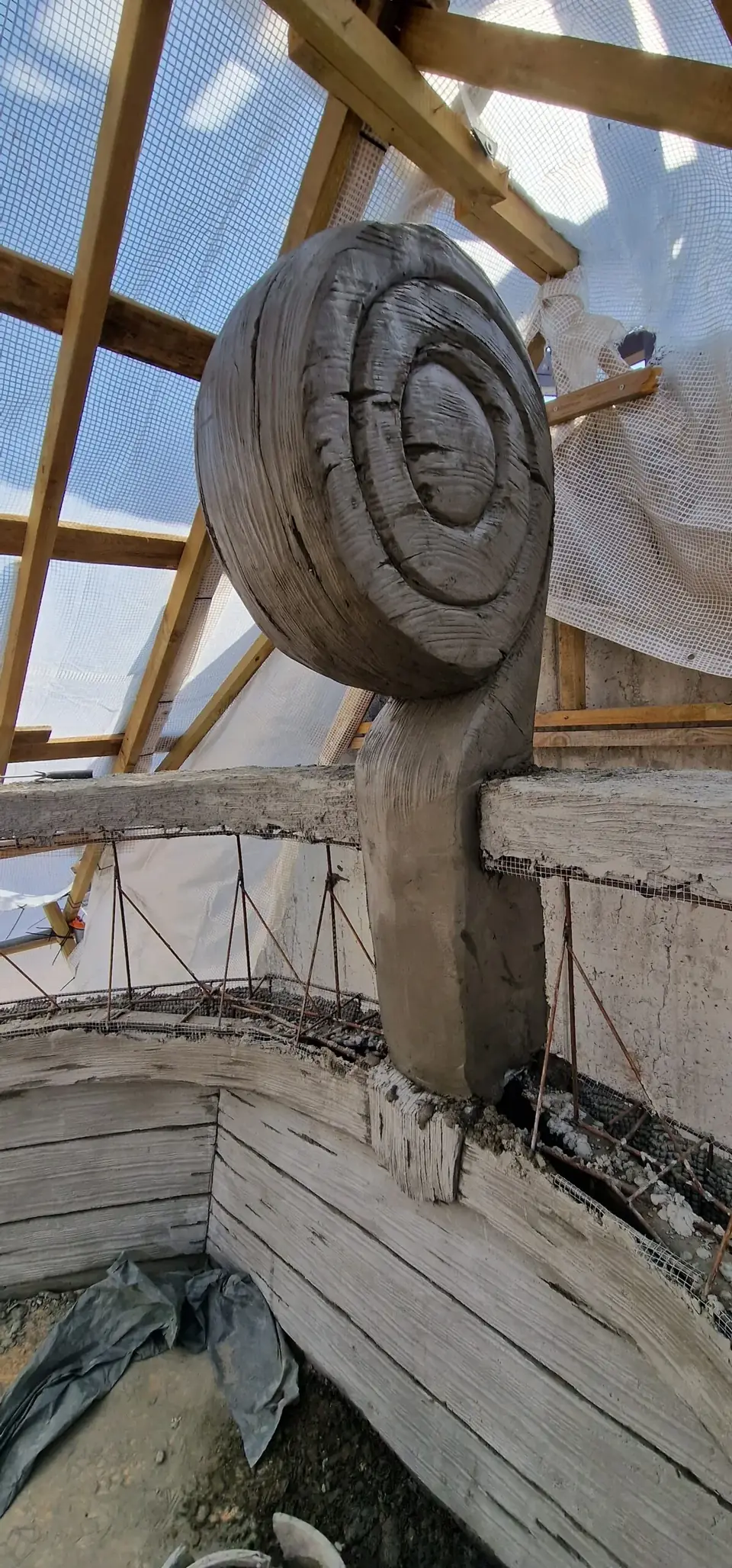
The difficulty is that sculptural and themed elements are easily described as if they were ordinary construction works. Yet a hand-carved surface, sculptural concrete or an artistic structure needs a description of materials, durability requirements, samples and approval stages. This is where we can help before the tender is published.
An example approach: a concept catalogue for Rewal
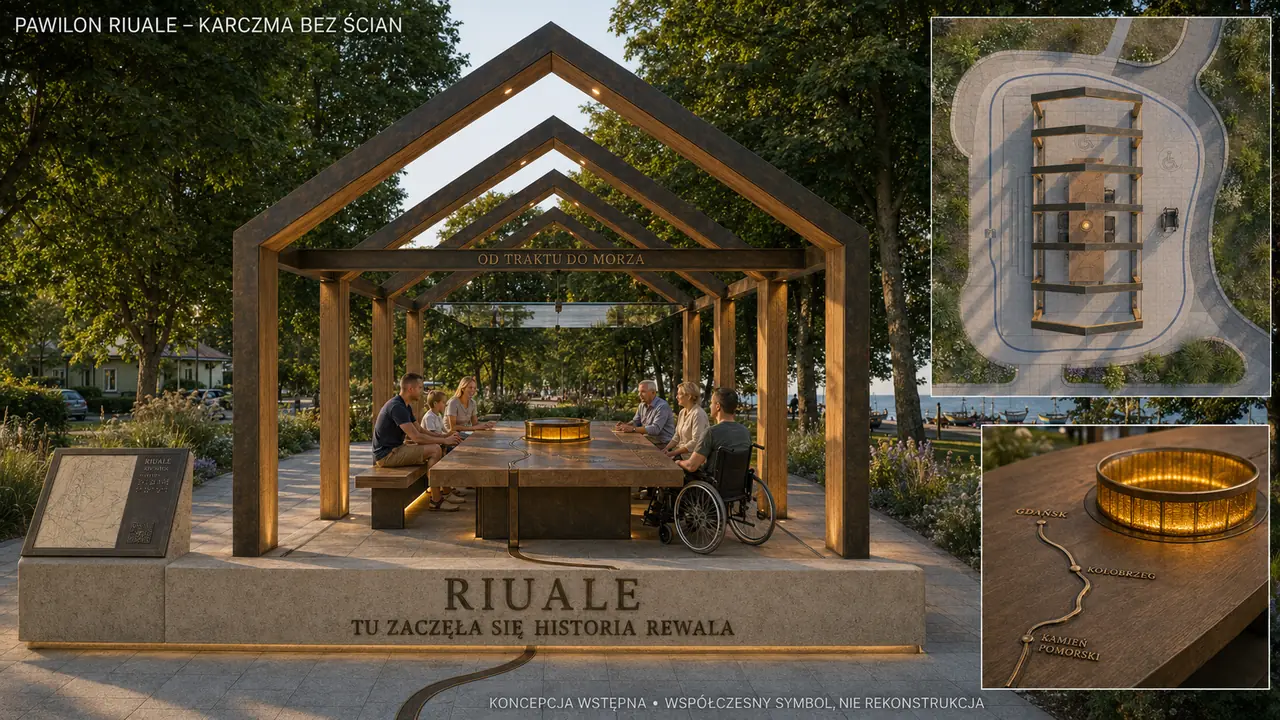
For the Rewal municipality we prepared a catalogue of public space concepts: 71 visualisations and 9 stories of place. Each motif starts from a source, a date or residents' memories, and each form answers a specific function: a road, a roundabout, a square, a park, a promenade, a bus stop or a viewpoint.
This is a concept, not a completed project: it shows a direction, not a finished piece. In it we recommend starting with a single high-visibility pilot site where the material language, user response and maintenance costs can be tested.
The catalogue also shows that one story can serve an entire municipality. A shared material language of sculptural concrete, GRC, timber in touch zones, mineral pigments and concealed lighting creates a single brand for the Rewal Coast, while local motifs preserve the character of each town.
Questions and answers
Does the municipality need to know its budget before the first conversation?
No. It helps to share a budget if you have one, but we set realistic figures after a site visit and once the scale is chosen. Each level can be split into phases.
Will you help describe the scope for a tender?
Yes. We help describe the scope, materials and requirements for sculptural and themed elements that are hard to capture in standard bill items.
Has the Rewal project been built?
No. It is a concept catalogue with the status “Concept”. We present it as an example of our approach, not as a completed piece.
More articles
Knowledge →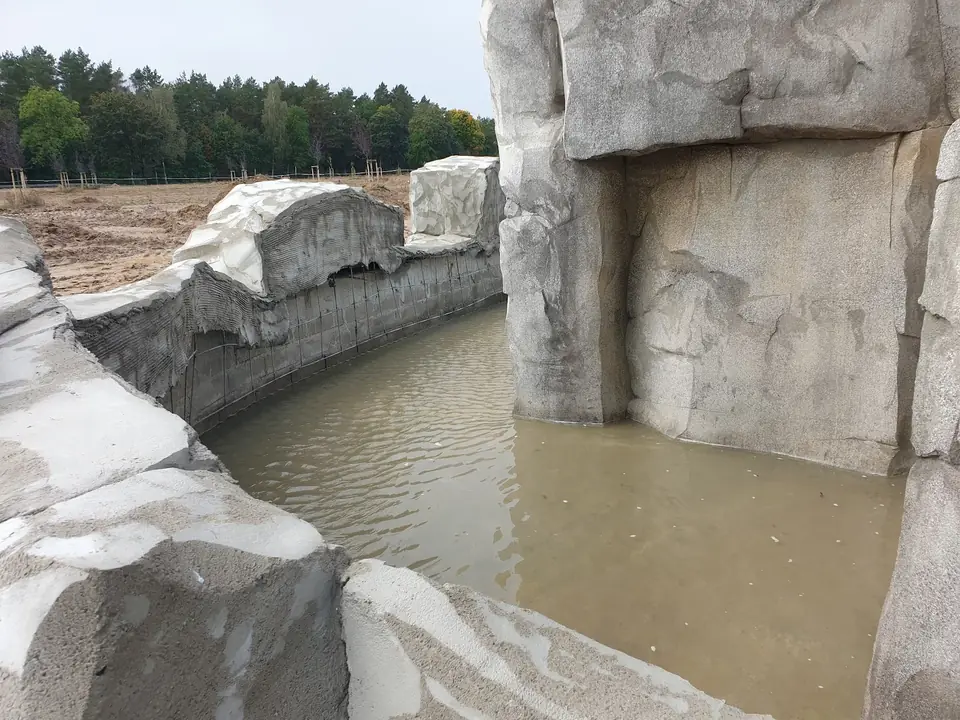
Do you have a complex themed or sculptural package to deliver?
Send drawings, visualisations or a short description. We review every brief and reply with a concrete next step.
Architects and general contractors: Send the project documents