
Repairing artificial rockwork and sculpture: key issues
Themed environments do not end on opening day. Weather, water, UV, frost and thousands of visitors test every layer. We describe the most common problems we see on repair jobs, and how to tell a cosmetic repair from fixing the root cause.
What acts on a piece every day
Artificial rockwork, sculptures, themed facades and water features are exposed to weather, water, UV radiation, frost, cleaning, vibration, animals, children and years of daily use. Even well-executed work needs inspections and maintenance. Poorly executed work needs repair much sooner.
Many elements start to fail because small technical details were ignored during construction. Their effects only become visible after a few seasons.
For a park, zoo or hotel operator, a damaged element is not just a repair cost. A cracked rock, a faded sculpture or a damaged themed wall affects the guest experience, the sense of safety and the overall quality of the place.
The most common problems
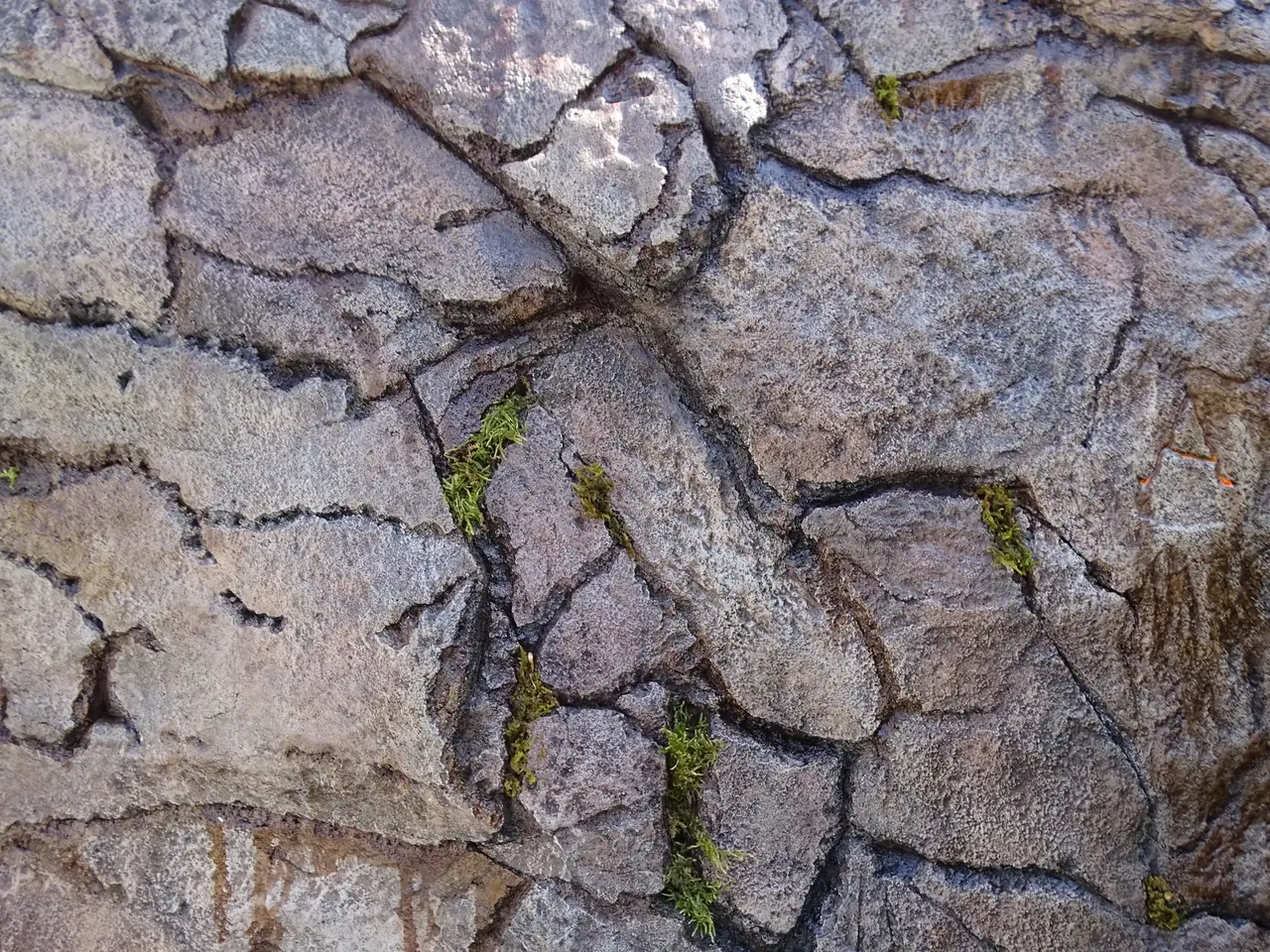
Water comes first: it gets beneath the surface and, combined with frost, causes cracking and delamination. Also common are poor drainage around rocks, cracks in the sculpted layers, and weak or hollow areas beneath the surface.
The next group concerns the finish: paint fading under UV and unsuitable coating systems. Add to that loose parts and damaged details, damage from visitors, animals or cleaning, and earlier repairs that do not match the original texture or colour.
Some of these problems can be spotted early if you know where to look: hairline cracks at edges and module joints, streaks below gaps, a hollow sound when the surface is tapped, crumbling fine details, and discolouration in constantly wet areas.
Cause first, then repair
A repair should not just hide the problem for a few months. We look for the practical cause: water, movement, weak layers, the wrong choice of material, missing reinforcement, an unsuitable coating, missing drainage or heavy use.
We work in four steps. Diagnosis covers assessing the structure, materials and causes of damage. Structural repair means strengthening and rebuilding load-bearing elements. Texture restoration matches form, colour and detail to the original. Protection means coatings chosen for the piece's operating conditions.
Not every surface is repaired with the same system. Cementitious elements, lightweight structures on EPS/XPS, composites, steel and surfaces permanently in contact with water all call for different approaches. If the original technology proved inadequate, a different solution can be proposed, provided it is compatible with the existing structure.
A repair you cannot see
In themed spaces, visual continuity matters. We match texture, colour, ageing, dirt, shadows, mineral traces and the natural variation of the surface so the repaired area belongs to its original surroundings. A new patch in a different shade draws the eye more than minor damage.
Not every repair should look new. A section renewed next to a surface that has worked for years in sun and rain must take on its patina, dirt and mineral traces, or it will look like a foreign element.
What we repair and when to upgrade
Our repair scope covers artificial rockwork, sculptures and landmarks, themed facades and entrances, decorative concrete, waterfalls, grottoes and water features, zoo enclosures, water park and poolside decoration, as well as themed walls, caves and immersive interiors. Surfaces permanently in contact with water and around pools are especially demanding.
Restoration can also become an opportunity to upgrade: changing the colour scheme, adding new textures, lighting and special effects, or extending an earlier project with new elements.
We also repair work built by other companies. The first step is then to establish what materials and what system the piece was built with, because this determines the choice of repair method.
Maintenance instead of firefighting
Regular inspections and spot repairs often prevent larger and more expensive problems. We help with seasonal inspections, repair planning, refreshing colour and patina, assessing water-related damage and strengthening weak details.
It is worth agreeing a maintenance plan at handover: how often to inspect, what can be cleaned safely and with what, when to renew the protective coating and whom to call at the first signs of cracking.
At operating sites, work can be phased or scheduled during technical breaks and closure periods. Where public safety, heavy loads or building regulations are involved, a structural problem should be assessed by a licensed engineer; we work with engineers, architects and facility management teams.
Questions and answers
Do you repair pieces built by another company?
Yes. We repair and restore themed work regardless of who built it, and we can take over the restoration of another contractor's elements.
How do I request a damage assessment?
Send photos, the location, the approximate size and a short description of the problem. We will help establish whether the issue is cosmetic, technical or both, and what approach may be needed.
Will the piece be maintenance-free after the repair?
No. No outdoor piece is completely maintenance-free. After the repair we provide recommendations for long-term maintenance.
More articles
Knowledge →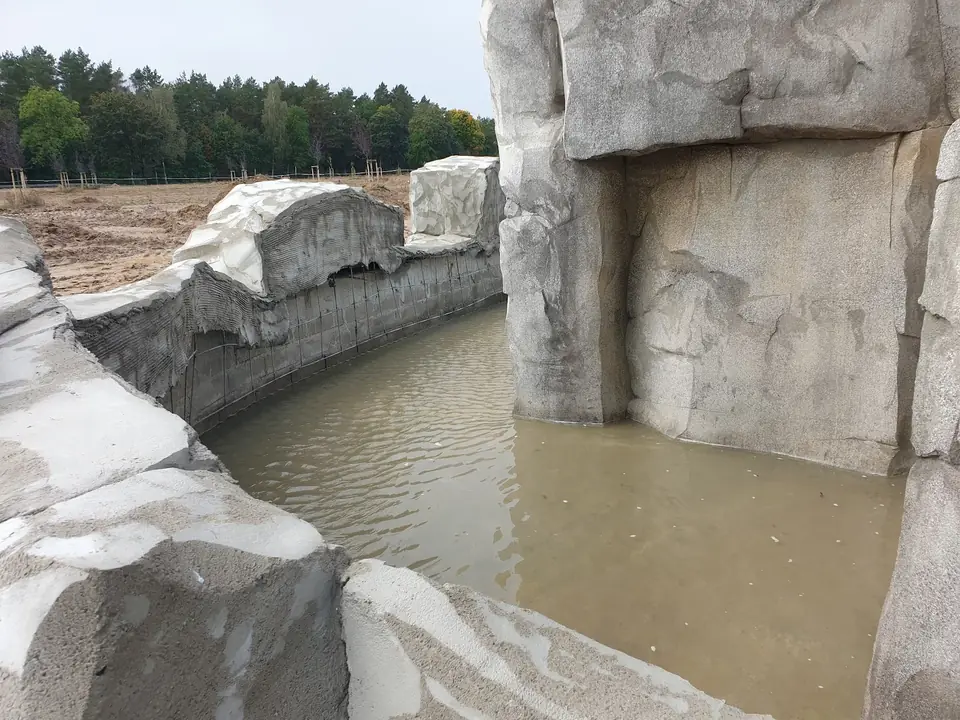
Do you have a complex themed or sculptural package to deliver?
Send drawings, visualisations or a short description. We review every brief and reply with a concrete next step.
Architects and general contractors: Send the project documents